
Table of Contents
Why Outdoor Living Has Become a Priority
Homeowners across the Greater Toronto Area are rethinking how they use the land around their houses. Many are inspired by the work of Christopher Dardarian Etobicoke, a landscape designer known for building custom outdoor environments that blend natural beauty with everyday function. This shift isn’t just aesthetic; it reflects a broader lifestyle change where families want more usable, comfortable space outside their four walls.
The pandemic years accelerated this trend, but the appetite for outdoor upgrades has stayed strong well beyond that period. People now treat their backyards, patios, and gardens as extensions of their living rooms, not afterthoughts. This mindset has pushed demand for design-build landscapers who can plan, budget, and construct these spaces from the ground up rather than simply installing a few plants.
The Rise of Design-Build Landscaping
Traditional landscaping once meant hiring separate contractors for design, construction, and planting. That fragmented approach often led to mismatched results and blown budgets. Design-build firms solve this by managing every phase under one roof, from initial concept sketches to final installation of hardscaping and greenery.
This model has grown popular in Etobicoke and neighboring Toronto suburbs, where residential lots vary widely in size and shape. A single team overseeing planning, budgeting, and execution reduces miscommunication and keeps projects on schedule. Homeowners get a cohesive outdoor environment that matches their architecture, their climate, and their actual daily habits rather than a generic template pulled from a catalog.
Custom Patios That Reflect Personal Style
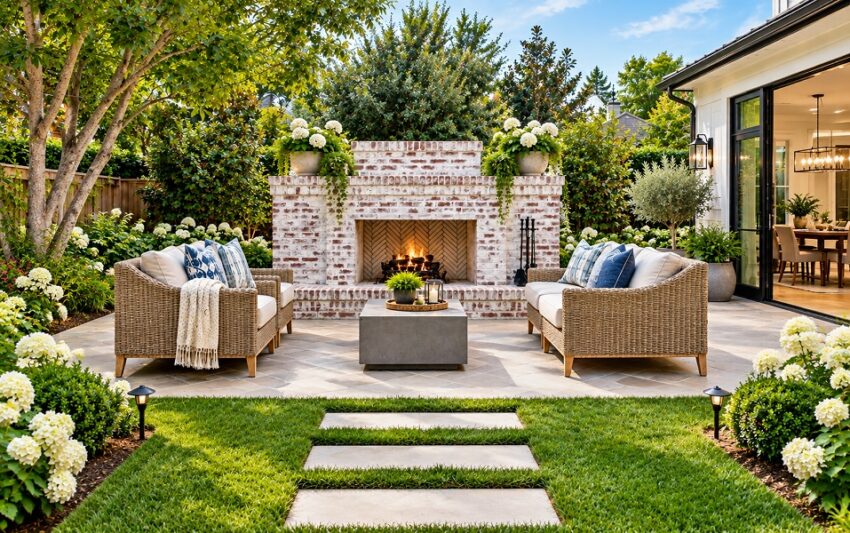
A patio is often the anchor of any outdoor renovation, and it deserves more thought than simply pouring concrete. Materials like natural stone, permeable pavers, and textured composite decking each bring different visual and functional qualities to a space. Choosing the right one depends on drainage needs, sun exposure, and how the family plans to use the area.
Custom patios also benefit from thoughtful zoning, separating dining areas from lounge spaces or fire pit corners. This kind of layout planning turns a flat slab into a functional outdoor room. When paired with built-in seating or low retaining walls, a patio becomes a gathering point that feels intentional rather than an empty stretch of pavement behind the house.
Garden Design Rooted in Biodiversity
Modern landscape design increasingly borrows from the New American Garden style, which favors layered plantings, native species, and naturalistic groupings over rigid rows of clipped shrubs. This approach supports local pollinators and reduces the maintenance burden that comes with high-fuss ornamental gardens.
Biodiversity-focused design also adapts well to Ontario’s seasonal extremes, since native perennials and grasses are built to survive cold winters and humid summers without constant intervention. Homeowners get a garden that changes texture and color throughout the year instead of a static green backdrop. This living, evolving quality is part of what makes naturalistic landscaping feel more rewarding than conventional lawn-and-hedge setups.
Lighting That Extends Usable Hours
Outdoor lighting is one of the most underrated upgrades a homeowner can make. Well-placed path lights, uplighting on trees, and subtle string lighting over a dining area can turn a yard that shuts down at dusk into a space usable well into the evening. This is especially valuable during long Canadian summer evenings.
Layered lighting design also improves safety by illuminating steps, transitions, and water features that might otherwise be hazards after dark. Smart controls now let homeowners adjust brightness and color temperature by season or occasion, dimming for a quiet dinner or brightening for a backyard gathering. The right lighting plan makes an outdoor space feel finished rather than merely decorated.
Water Features and Their Calming Effect
Adding a water element, whether a small fountain, a koi pond, or a recirculating stream, introduces movement and sound that many homeowners find genuinely calming. The gentle noise of flowing water can mask street traffic and create a sense of privacy even in tightly packed suburban lots.
Beyond ambiance, water features often become focal points that anchor the rest of the garden design around them. Landscapers frequently position seating or pathways to frame these elements, drawing the eye and encouraging people to linger outside longer. This aligns with the work associated with Christopher Dardarian Etobicoke, where outdoor spaces are treated as immersive environments rather than just yards with a few added features.
Outdoor Kitchens and Entertaining Spaces
Cooking and dining outside has moved well beyond the basic charcoal grill setup. Full outdoor kitchens now include built-in grills, prep counters, mini refrigerators, and sometimes pizza ovens, all designed to handle real entertaining rather than the occasional weekend barbecue.
These installations require careful planning around utility access, weatherproof materials, and covered structures to protect equipment from rain and snow. When done well, an outdoor kitchen becomes the social hub of the property, pulling guests away from the interior dining room and into a space built specifically for gathering, cooking, and conversation under open skies.
Sustainable Materials and Long-Term Value
Sustainability has become a bigger factor in outdoor renovation decisions, not just for environmental reasons but for long-term cost savings. Permeable pavers reduce runoff and ease pressure on municipal storm systems, while reclaimed wood and locally sourced stone cut down on transportation emissions and often look more distinctive than mass-produced alternatives.
Durability matters just as much as material sourcing. Choosing weather-resistant composites and properly graded drainage systems means fewer repairs down the line and a landscape that holds its value for years. This long-term thinking is part of why professional planning and budgeting, the kind associated with Christopher Dardarian Etobicoke, tends to outperform piecemeal do-it-yourself upgrades over a decade of use.
Increasing Home Value through Curb Appeal
Front-yard upgrades matter just as much as backyard renovations when it comes to resale value. Real estate professionals consistently point to landscaping as one of the highest-return improvements a homeowner can make, often recovering a significant portion of the investment at sale time.
Simple changes like structured planting beds, a refreshed walkway, or better exterior lighting can shift a buyer’s first impression dramatically. Since curb appeal forms the very first judgment a potential buyer makes, even modest, well-executed outdoor updates can accelerate a sale or justify a stronger asking price in competitive GTA neighborhoods.
Planning Your Own Outdoor Renovation
Anyone considering an outdoor upgrade should start with a clear sense of how they actually use their space, not just how it looks in photos. Families with young children need durable, open play areas, while empty nesters might prioritize quiet garden nooks or a compact entertaining patio. Matching design choices to real habits prevents costly redesigns later.
Working with an experienced design-build team also helps homeowners avoid the common pitfalls of budget overruns and mismatched materials. A phased approach, tackling hardscaping first and layering in plants, lighting, and furniture over subsequent seasons, often produces better results than trying to complete everything at once, giving the landscape time to mature naturally.